Table of Contents
The most important people in Berlin
Click here.
Old Pictures of Berlin
Click here
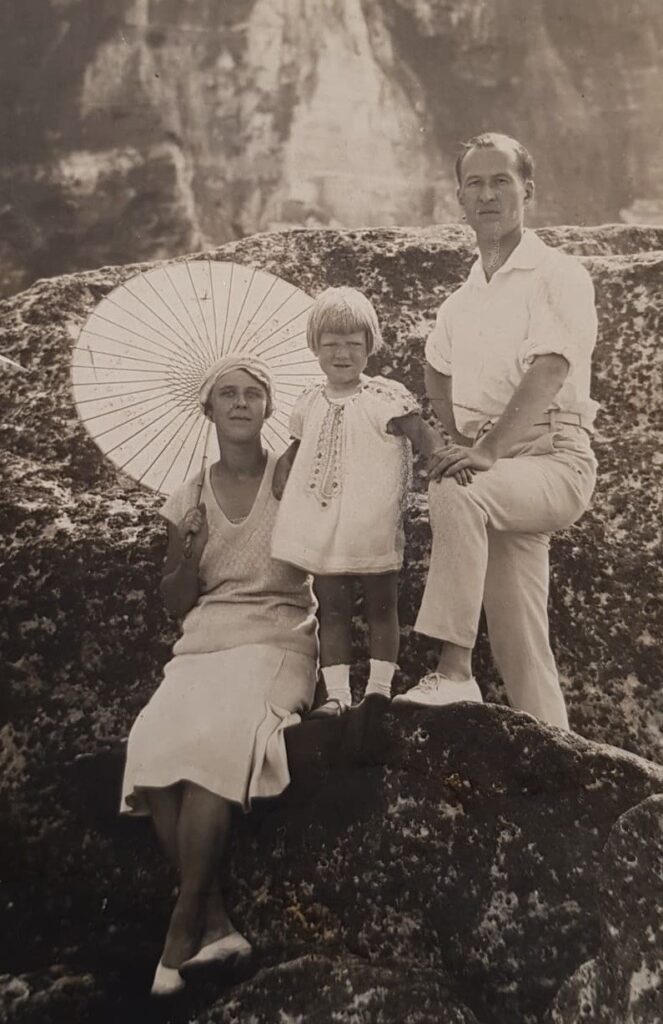
Elena, Feodor and Lidochka
Berliner Pfannkuchen
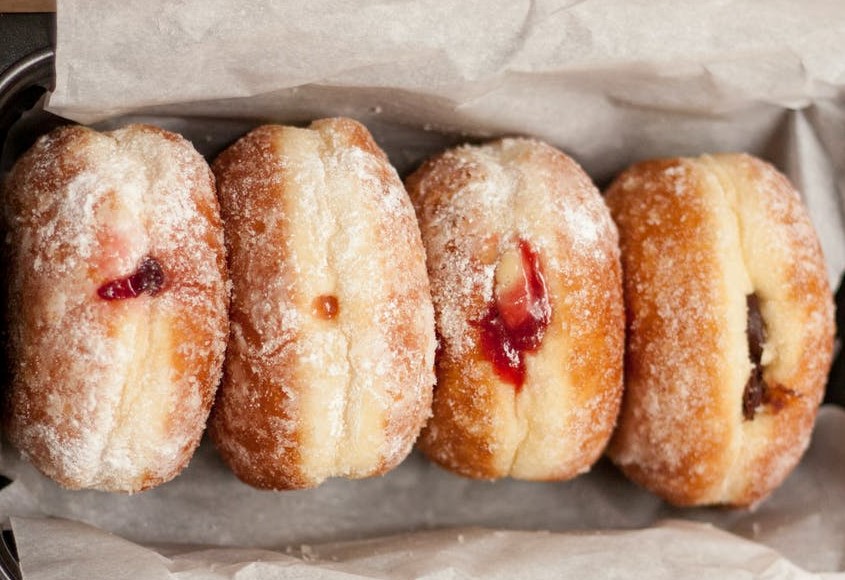
A Berliner Pfannkuchen is a traditional German pastry similar to a doughnut with no central hole, made from sweet yeast dough fried in fat or oil, with a marmalade or jam filling and usually icing, powdered sugar or conventional sugar on top. They are sometimes made with chocolate, champagne, custard, mocha, or advocaat filling, or with no filling at all.
Click here for more information.
For a recipe, click here.
I will call my firstborn son Feodor, after you.
“We called her Lydia, after you,” Feodor had gushed, hugging her warmly. “She’s our little Lidochka.” And he had smiled down at her. “See, sister, I always keep my promises.” Lydia had beamed. “Well, then I will call my first-born son Feodor, after you.” And he had hugged her even closer.
Chapter 18
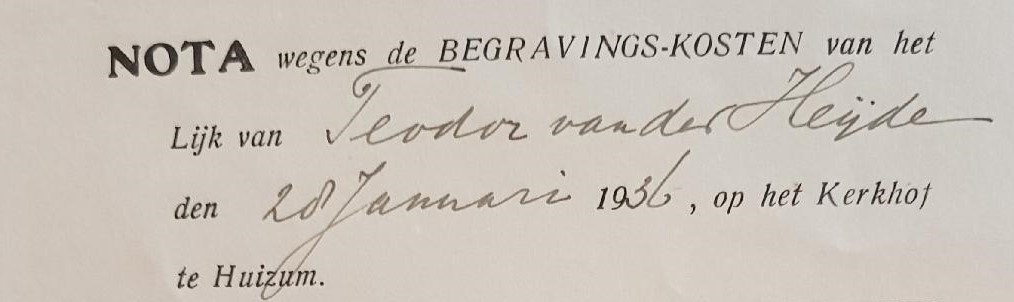
Well, Lydia did call her firstborn son Feodor. On 23 January 1936, she had twins, Feodor and my father Nikolai. Sadly, Feodor only lived for three days.
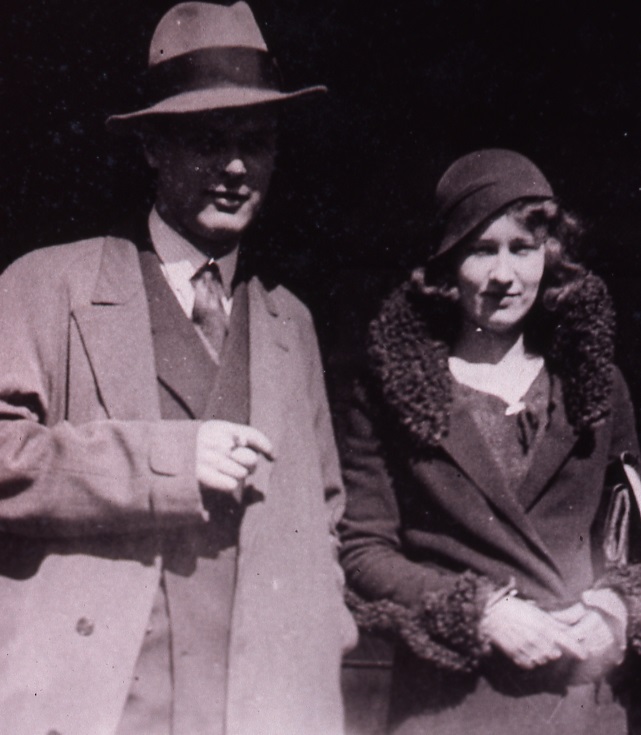
Lydia and Dmitry in Berlin
The Death of Wrangel

In September 1927, Wrangel and his family emigrated, settling in Brussels, Belgium, where he worked as a mining engineer.
He died suddenly on 25 April 1928. His family and most White Russians believed that he had been poisoned by his butler’s brother, who briefly lived in the household in Brussels and was allegedly a Soviet agent.
Natalya Petrovna Bazilevskaya – the eldest daughter of the Wrangels – was 15 years old in 1928, she remembered:
We had our own house in Brussels, where our grandmother, uncle and father’s orderly lived in addition to my parents. Suddenly, one day a sailor arrived from abroad, calling himself the brother of this orderly. For some reason, everyone found it completely normal – to cross the border, to find our house. The sailor spent the whole day in the kitchen and left in the evening. And my father soon fell ill. Now I understand that he was poisoned.
Natalya
After the death of Wrangel, the sailor (who was called Yakov Yudikhin) mysteriously disappeared. Rumours said he went to the USSR on the same ship that had entered Antwerp.
Baron Wrangel was first buried in Brussels. Then, more than a year later, his remains were transported to Belgrade and on 6 October 1929, his body was reinterred in the Russian Orthodox Church of the Holy Trinity, Belgrade, according to his wishes.
Click here for more information.
Disappearing White Russians
In fact, many influential White Russians were disappearing these days.
Chapter 18
Many prominent White figures were lured back into Russia, where they were arrested and executed. In 1930, for instance, a Soviet kidnap team from Moscow seized General Kutyopov, the head of what was left of the White army. He was never seen again. And in 1937, his replacement, General Miller (a White Russian officer of German ancestry whom you will meet briefly in my last chapter), met the same fate.
Dmitry in Belgian Congo
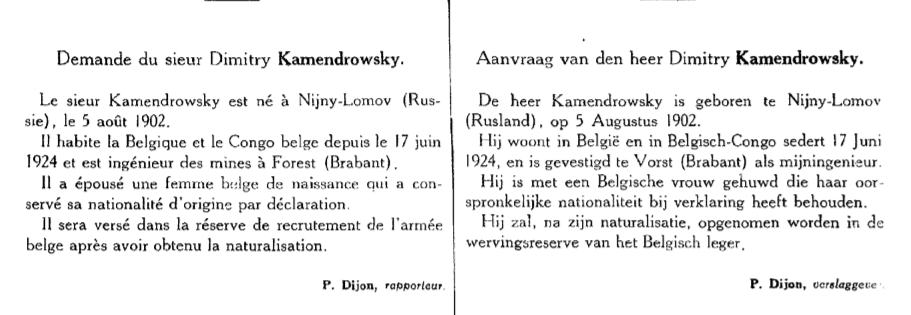
Belgian Congo
The Belgian Congo (French: Congo Belge; Dutch: Belgisch-Congo) was a Belgian colony in Central Africa from 1908 until independence in 1960. The former colony adopted its present name, the Democratic Republic of the Congo (DRC), in 1964.
Colonial rule in the Congo began in the late 19th century. King Leopold II of Belgium attempted to persuade the Belgian government to support colonial expansion around the then-largely unexploited Congo Basin. Their ambivalence resulted in Leopold’s establishing a colony himself. With support from several Western countries, Leopold achieved international recognition for a personal colony, the Congo Free State, in 1885.
By the turn of the century, the violence used by Free State officials against indigenous Congolese and a ruthless system of economic exploitation led to intense diplomatic pressure on Belgium to take official control of the country, which it did by creating the Belgian Congo in 1908.
Click here for more information.
The Great Crash
The Wall Street Crash of 1929, also known as the Great Crash, was a major American stock market crash that occurred in the fall of 1929. It started in September and ended late in October when share prices on the New York Stock Exchange collapsed.
It was the most devastating stock market crash in the history of the United States when taking into consideration the full extent and duration of its aftereffects. The crash, which followed the London Stock Exchange’s crash of September, signalled the beginning of the Great Depression.
The Kamendrovskys had most of their money in stocks, losing almost everything – again – in 1929.
Click here for more information
Vladimir in Casablanca
This is a picture of my brother Volodja [Vladimir]. See, the import-export
Interview with Lydia Kamendrovsky, 1982
business also did business in Morocco. Volodja [Vladimir] went to Casablanca as a representative. My other brother Mitja [Dmitry] went to study engineering in Belgium, Liege, thanks to our Wrangel. As a child, he already played with Meccano.
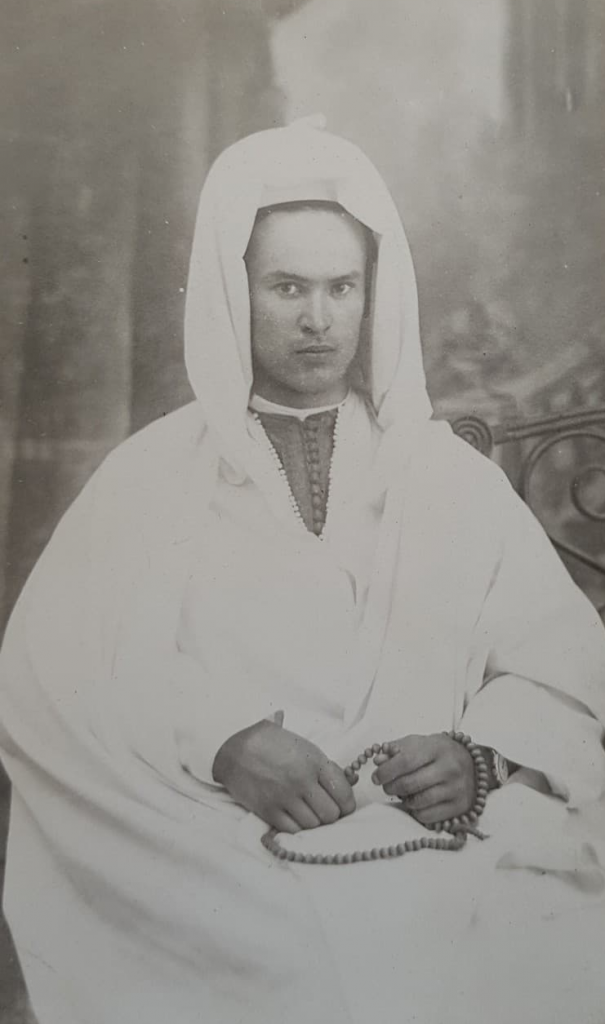
Postcard from Vladimir from Morocco
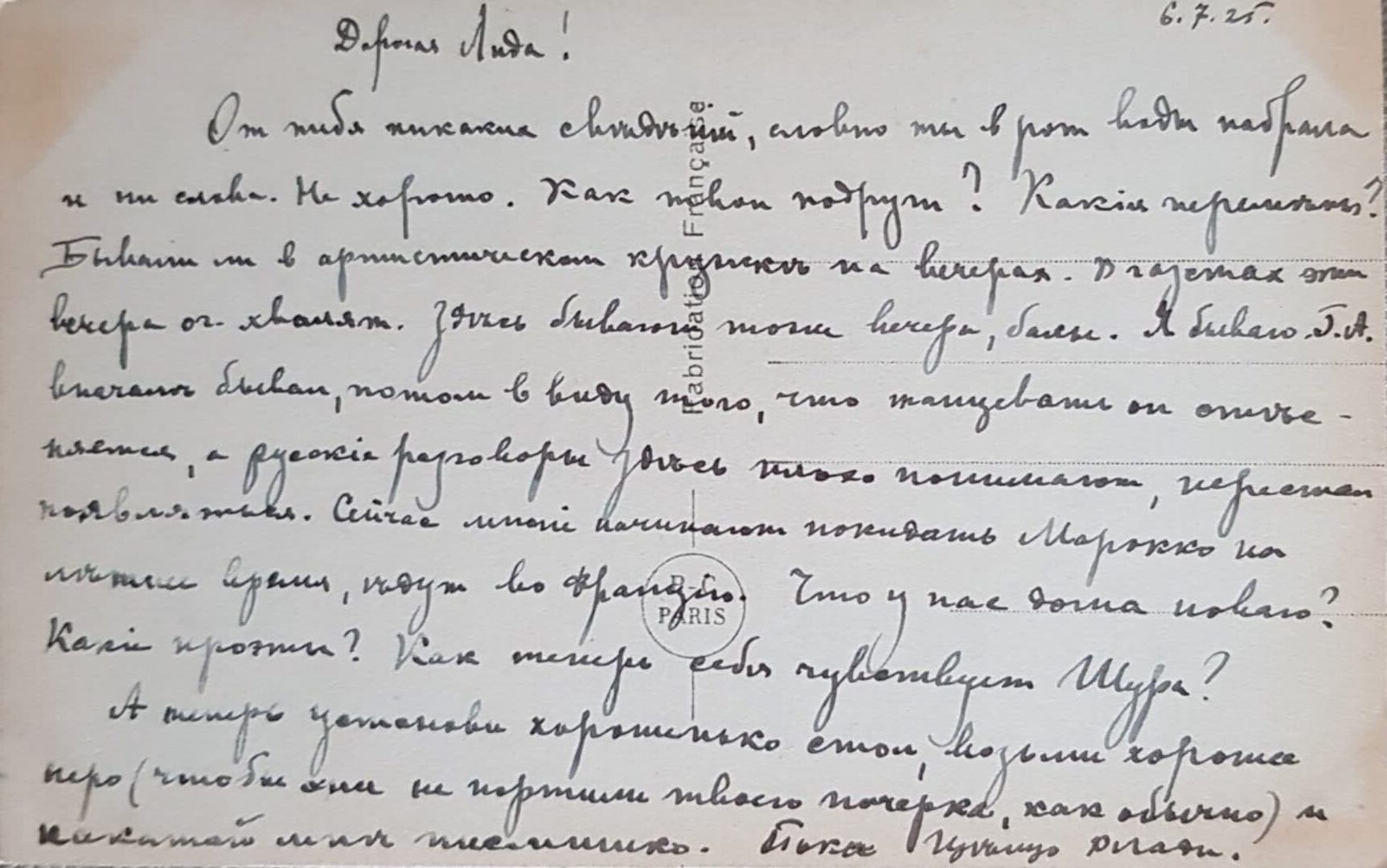
6-7-1925
Dear Lyda (Lydia), I have no news from you. How are your friends? What’s new? Did you visit artistic evenings? I am visiting them. G.A. [?] was also visiting, but taking into account that he refused to dance, and people there understand Russian pretty badly, he stopped to visit them! Now a lot of people starting to leave Morocco on summer period and go to France. What’s new at home? How is Shura [Alexandra] feeling herself now? Now install a table, take a good pen/feather which will not spoil your handwriting, and write smth to me. Bye, kiss, Vladi.
Thank you, Andrey Lang, for translating!