Table of Contents
Tiflis

The Independent Republic of Georgia
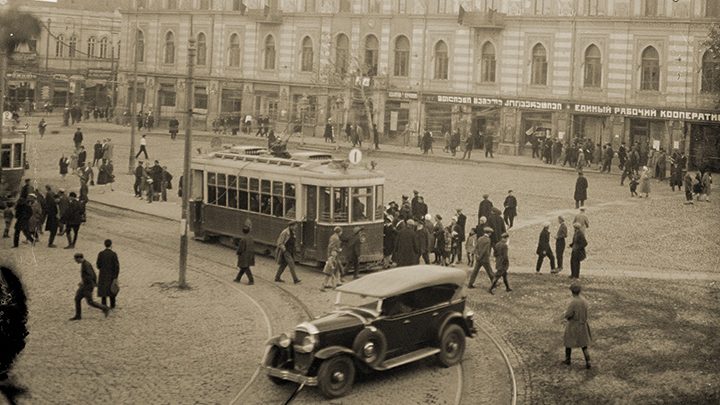
The Kamendrovskys came to Tbilisi at a unique point in time, as after the Russian Revolution in 1917, Tbilisi briefly served as the capital of the independent Democratic Republic of Georgia. It had escaped the ravages of the Russian revolution and was about the only town untouched by the revolution up to that time. There were good shops, offering a variety of items, including food and clothing.
In 1919–1920, Russians who had been expelled or who had fled Russia took shelter here. The city was filled with Russian artists who mingled with Georgian writers and artists and became known as the ‘City of Poets.’
In 1922, the Georgian modernist poet Titsian Tabidze wrote of the recent past:
Three years ago Russia was something phantasmagorical. All over Russia it was snowing frozen icicles of astral dust. The devastation of the civil war, the freezing Arctic cold, the bloodthirsty Cheka [the Bolshevik secret police], and a famine that acquired the proportions of a mystery play. Subject to inhuman terror, exiled émigrés spoke of unspeakable things. People of culture would kiss the ground of Tbilisi right before our eyes and begin to cry on seeing the light of electric lamps…
T’itsian T’abidze, ‘City of Poets’, see below.
The republic collapsed in 1921. It was occupied by Bolshevik armies, and the town was looted.
Photos
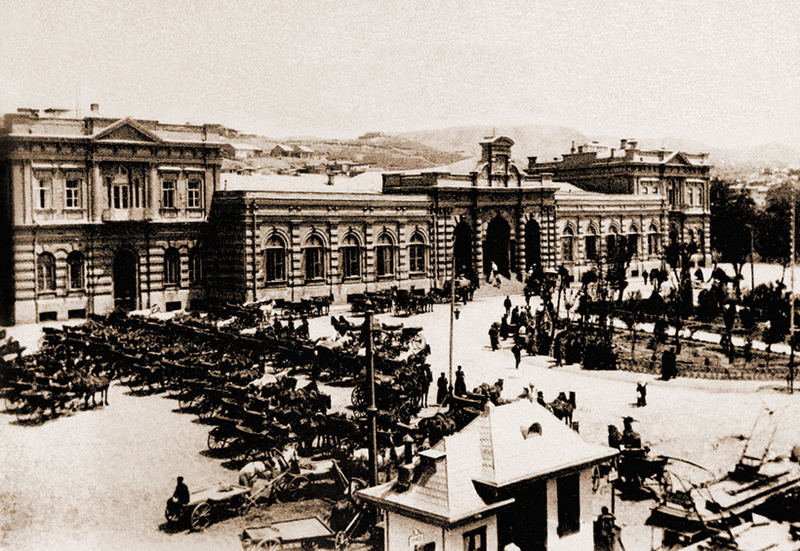
Tiflis railway station
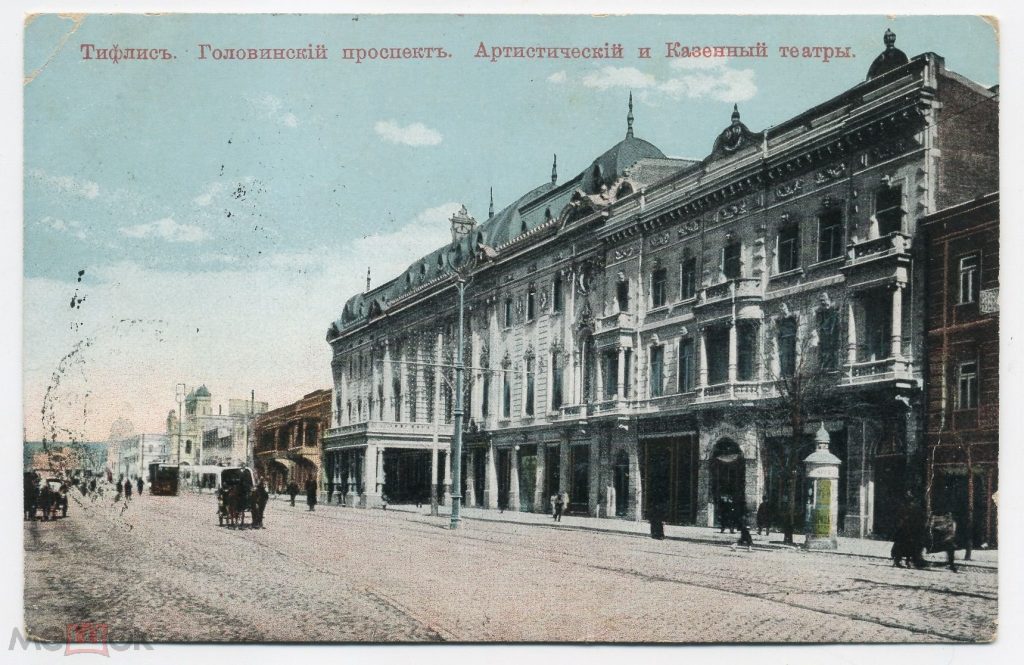
Golovinsky Avenue
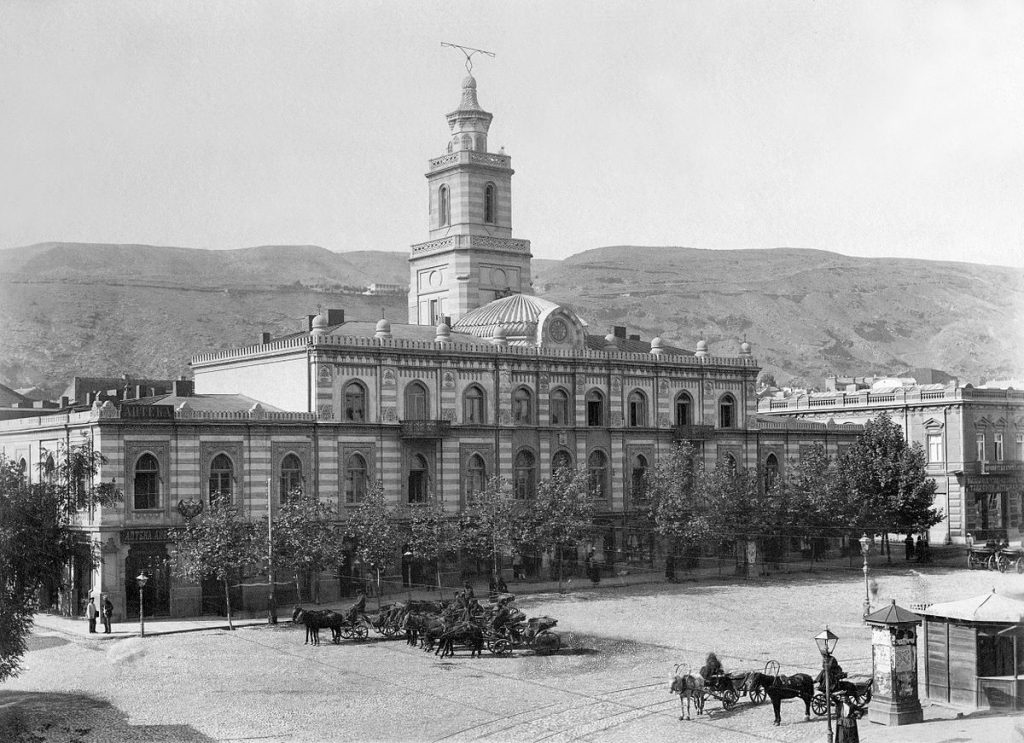
Yerevan Square
Madam Bozarjants House
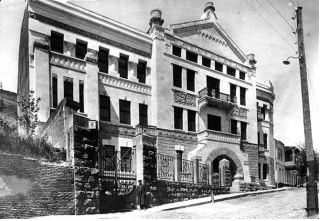
Madam Bozarjants’ House in the Kamendrovsky passport
Maidan

The woman’s gymnasium

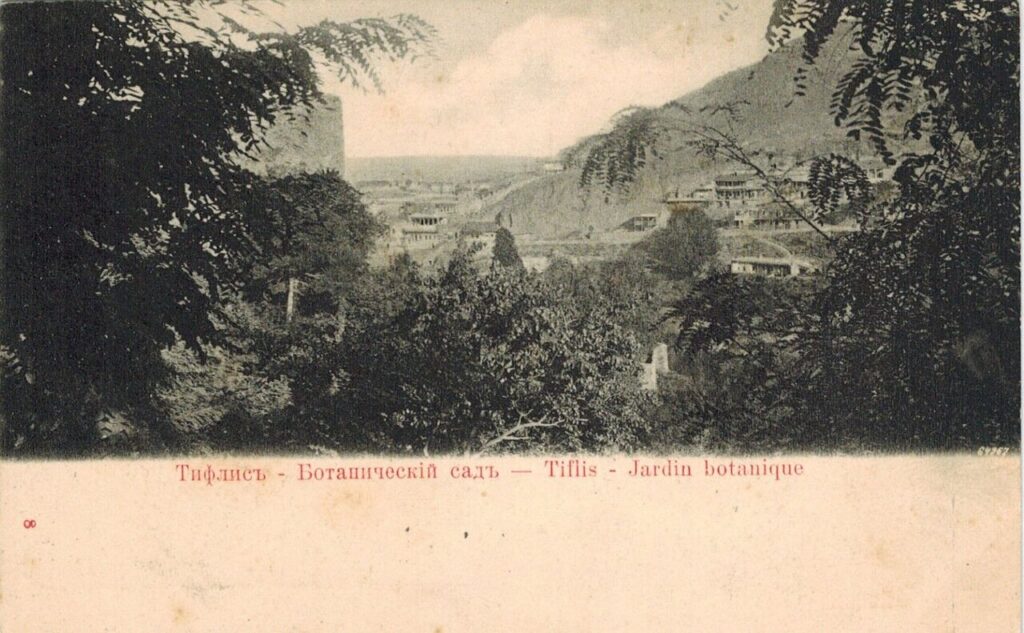
The Botanical Garden
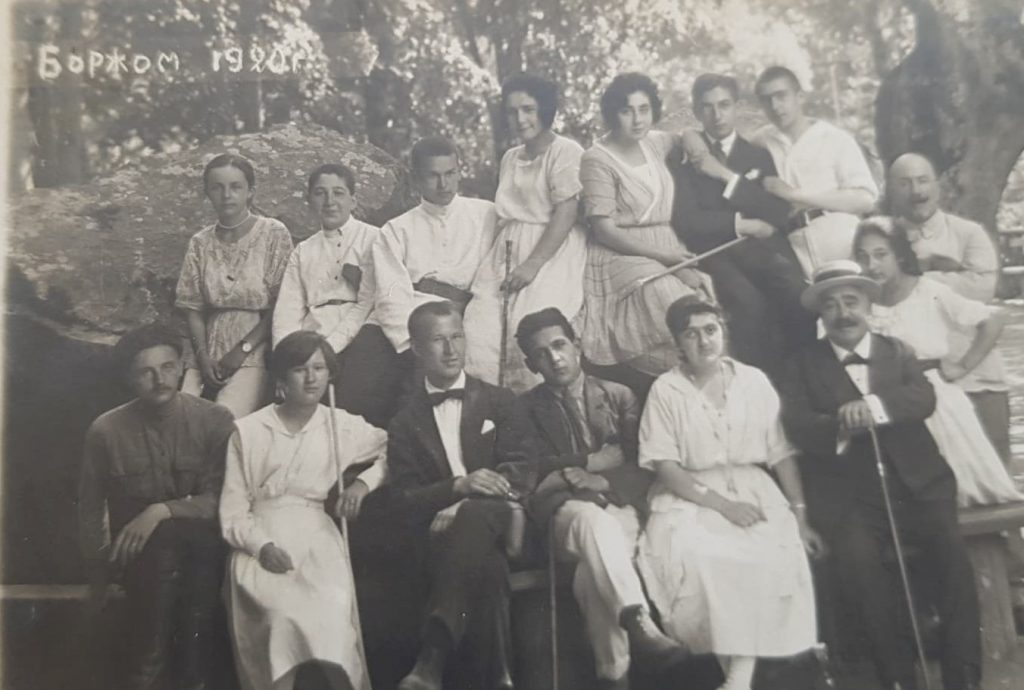
Borjomi
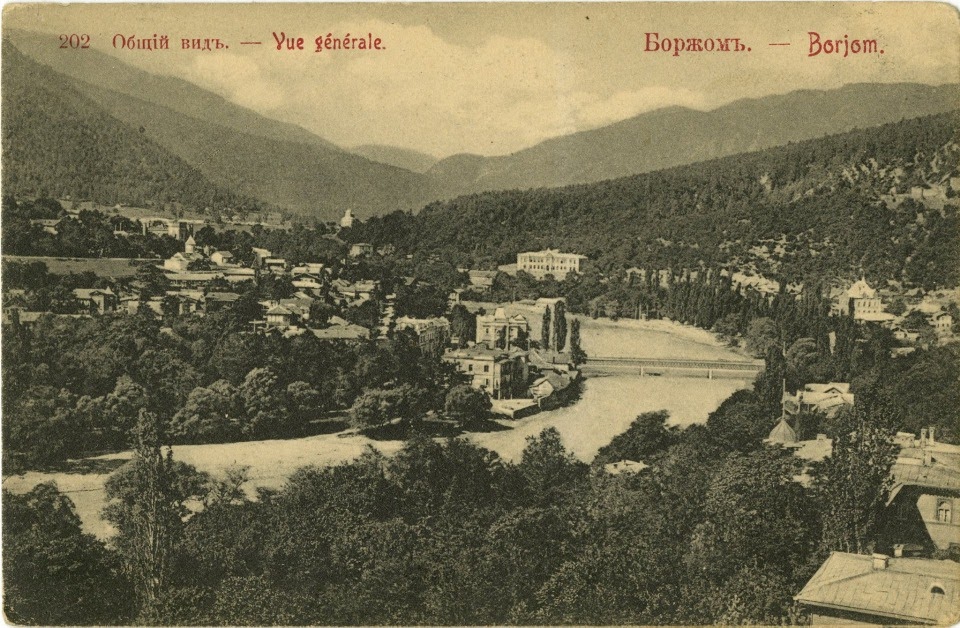
Borjomi is a resort town in south-central Georgia, 160 km from Tbilisi. It is situated in the northwestern part of the region in the picturesque Borjomi Gorge on the eastern edge of the Borjomi-Kharagauli National Park. The town is noted for its mineral water industry and the Romanov summer palace in Likani. Because of the supposed curative powers of the area’s mineral springs, it is still a frequent destination for people with health problems.
FAMILY ALBUM PHOTOS
Lydia, Vladimir and Dmitry in Tiflis
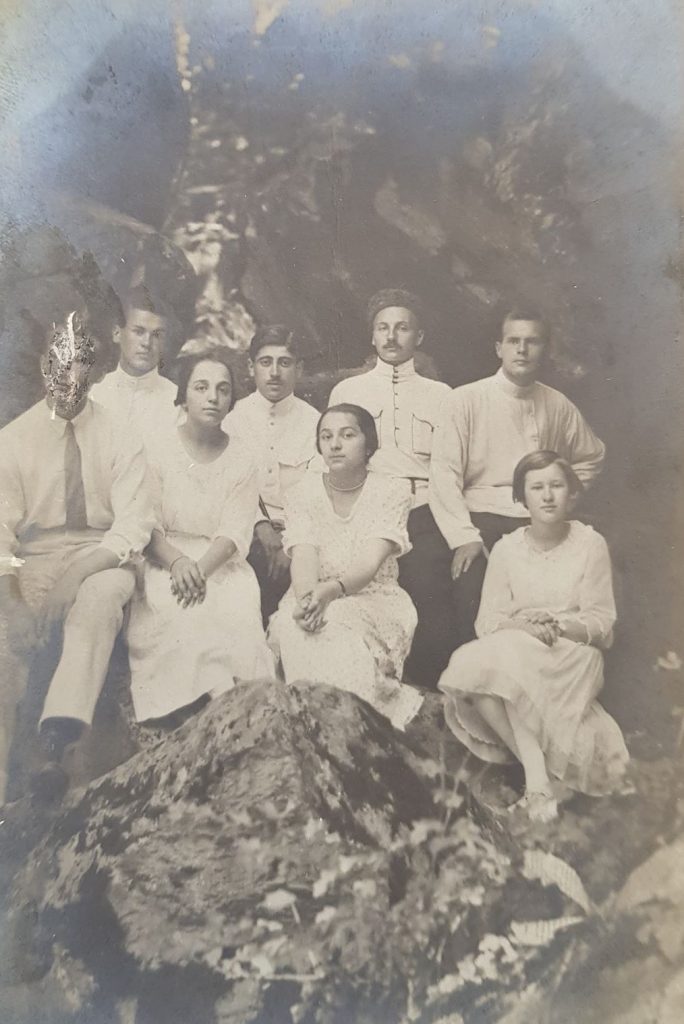
Lydia, Feodor and Vladimir in Borjomi
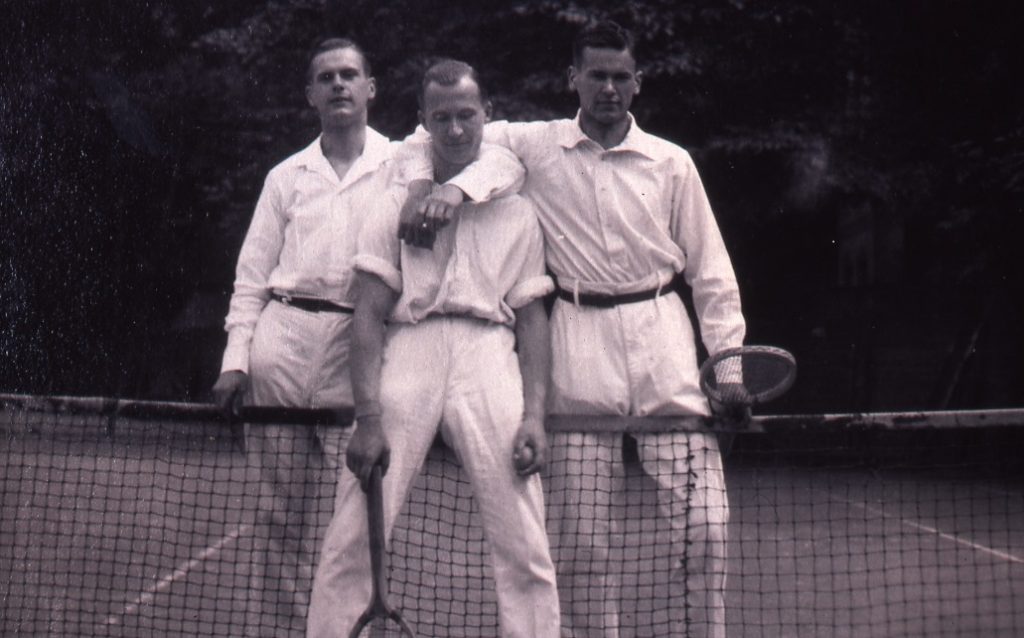
Dmitry, Feodor and Vladimir in Tbilisi
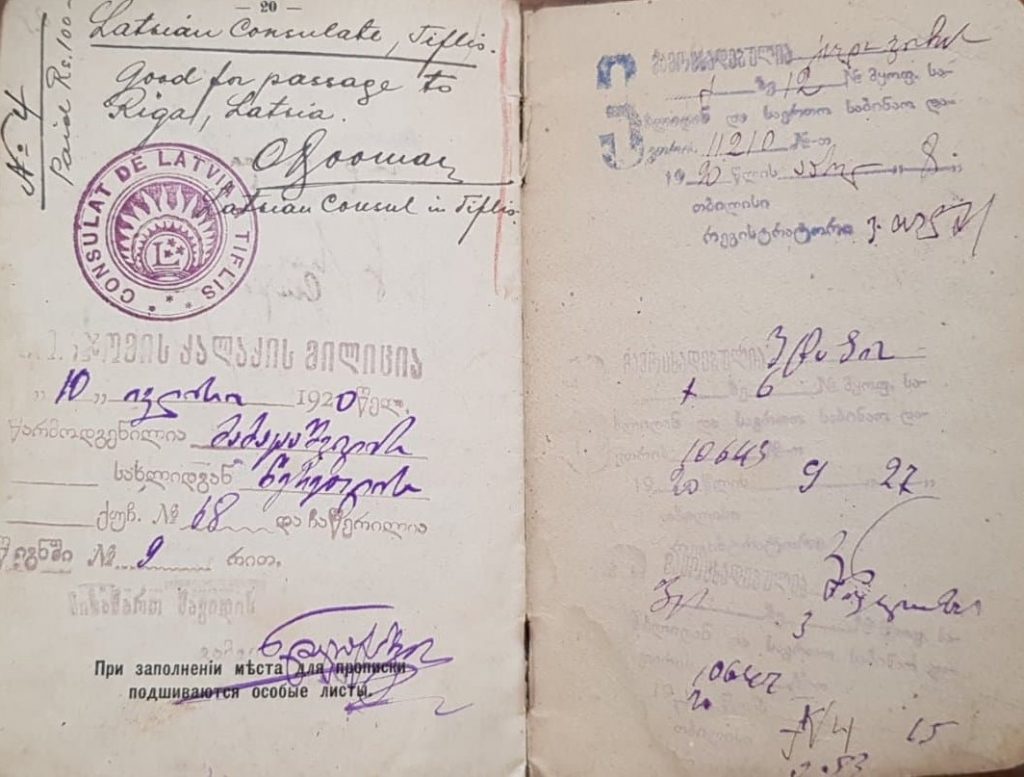
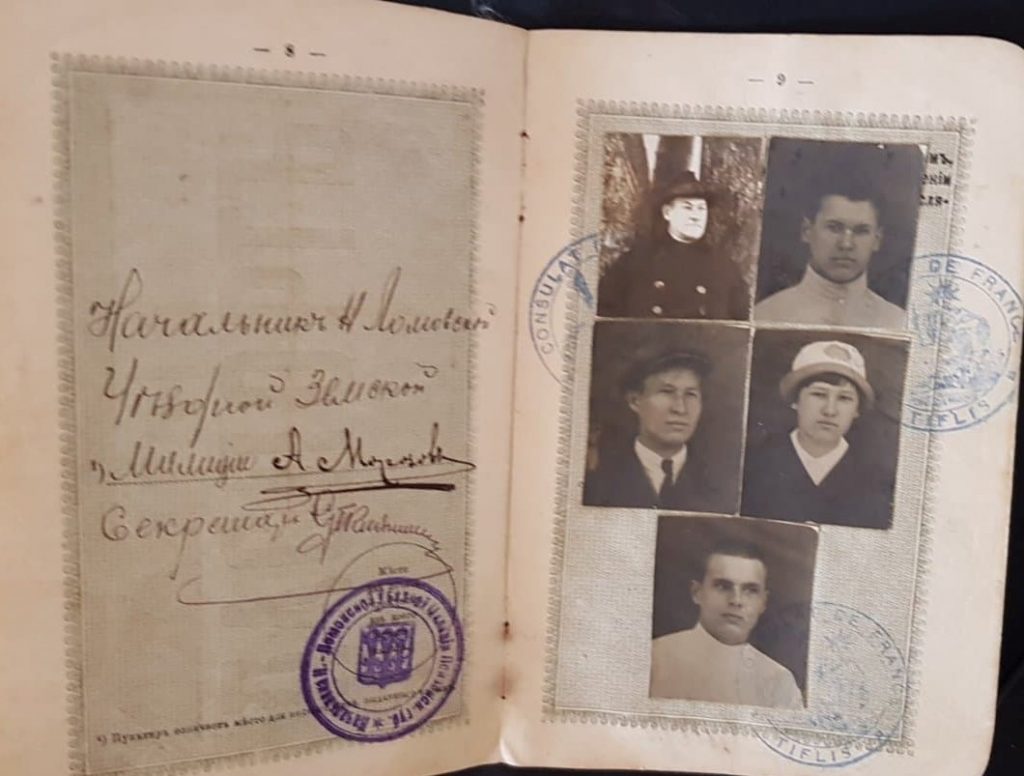
The Escape Passport

Sources
Madam Bozarjants’ house for an inside look at the beautiful house where the Kamendrovskys stayed. It has also been featured in several movies.
‘Our Life with Mr Gurdjieff,‘ Thomas and Olga de Hartmann, is interesting to read; they escaped from Yessentuki to Tbilisi on a quite similar route.
A City of Poets: The Cultural Life of Tbilisi 1910–1930
Sir Harry Luke, Cities and Men — An Autobiography Vol. II—”Ægean, Cyprus, Turkey, Transcaucasia & Palestine (1914-1924)”, (London: Geoffrey Bles, 1953).
Villari, Luigi. Fire and Sword in the Caucasus, London, T. F. Unwin, 1906
Thanks
With special thanks to David Nozadze for translating, helping me find information and websites and his support. დიდი მადლობა დევიდ