Table of Contents
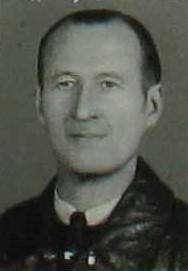
Feodor in 1950
Sources
Feodor’s shooting was not talked about in my family. If my grandmother Lydia mentioned it, it was mostly in a whisper, saying that he had really loved his little daughter. And she had a photo of Maurice Garçon with her icons, next to the Tsar family.
The information I have about Feodor is from documents, the newspapers about the trial, the article by Jean Guyon-Cesbron – who was in love with my grandmother, knew the family and interviewed Dmitry, his article is one I consider most accurate.
Now the newspapers give a lot of different dates. Some say Feodor met Elena in Paris, some say they went to Berlin in 1925. So for this, I have used the sources which I consider most accurate: my grandmother saying they went to Berlin after they lost everything due to the Great Crash and Feodor’s daughter’s interview (who was born in Bonn, not Paris) in which she mentioned going to Berlin when she was five years old.
Feodor after the trial
Now when I started writing this book, I had no idea what had happened to Feodor after he was set free in 1933. It took some digging to find out what happened with him after that…
Luxembourg
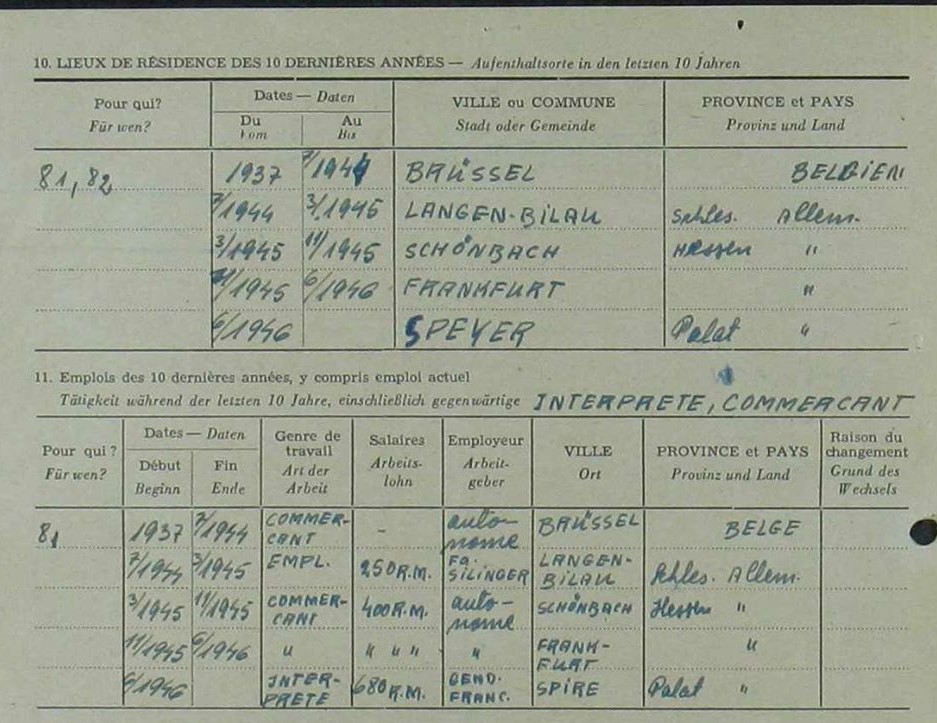
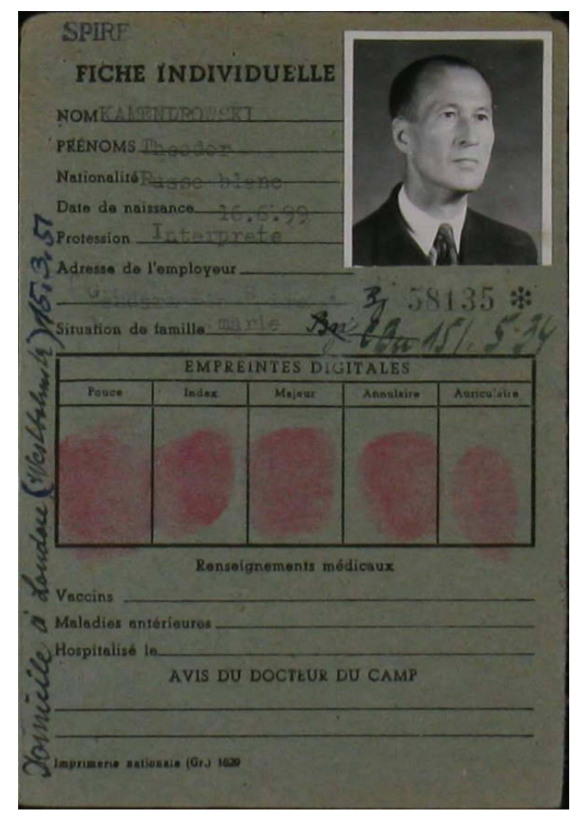
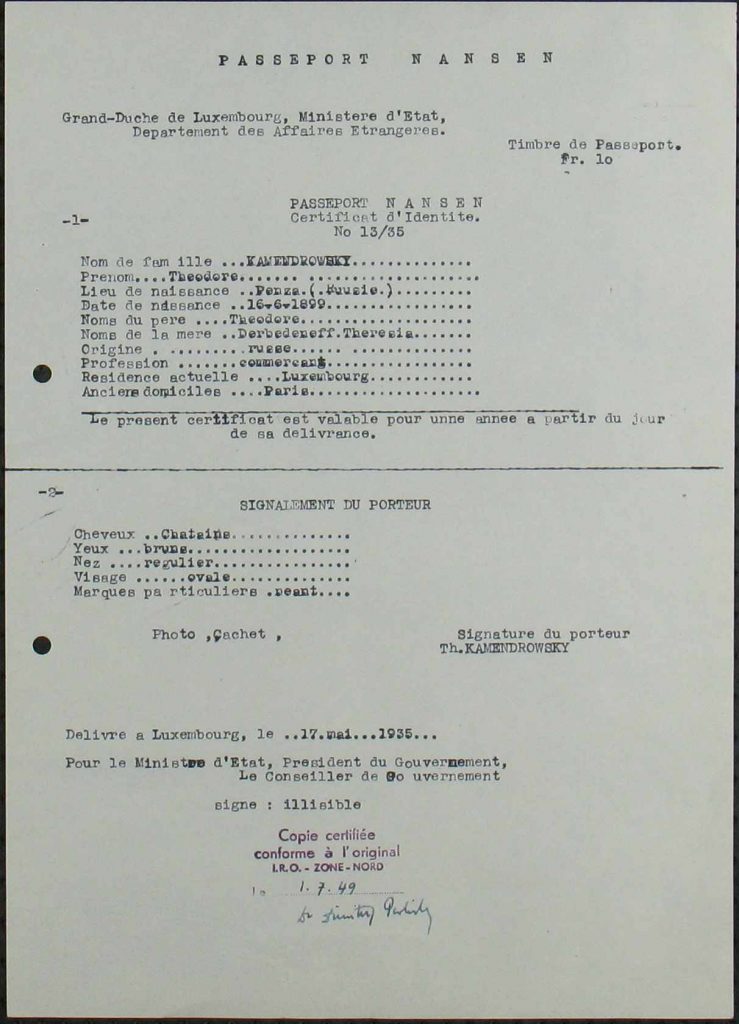
After the trial, my grandmother said Feodor was banned from France. He stayed with his brother Dmitry, until he married in 1935. According to his papers, he was in Luxemburg from 1935-1937. Whether Elena and Lidochka were with him, I don’t know.
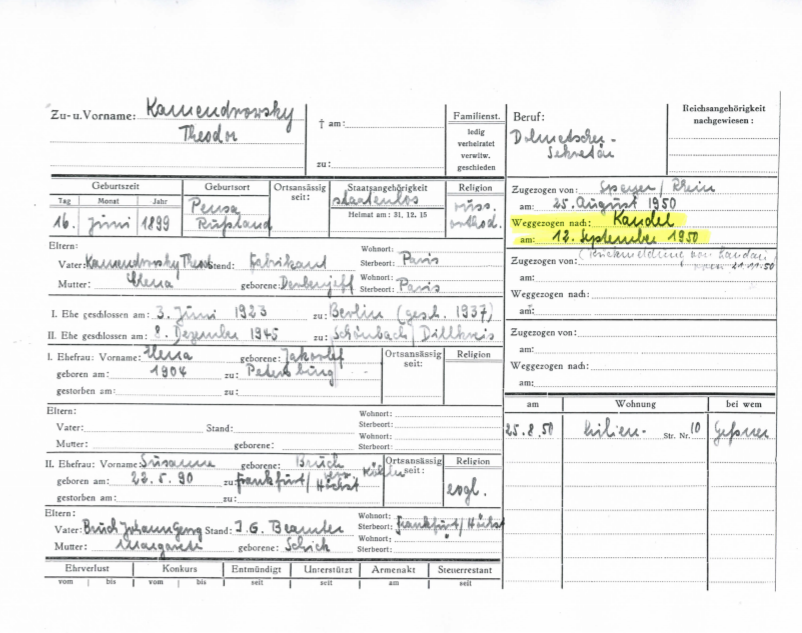
Through the above paper, I learned that in 1937 he and Elena divorced.
Brussels
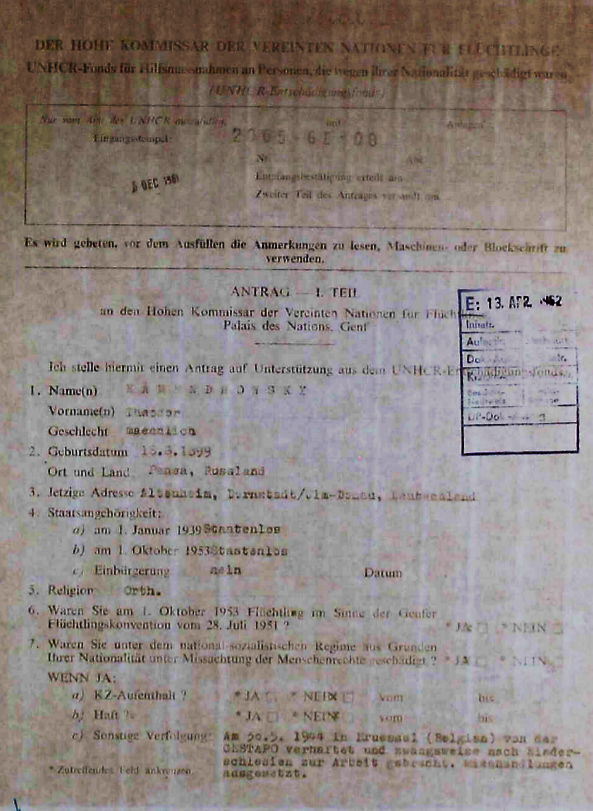
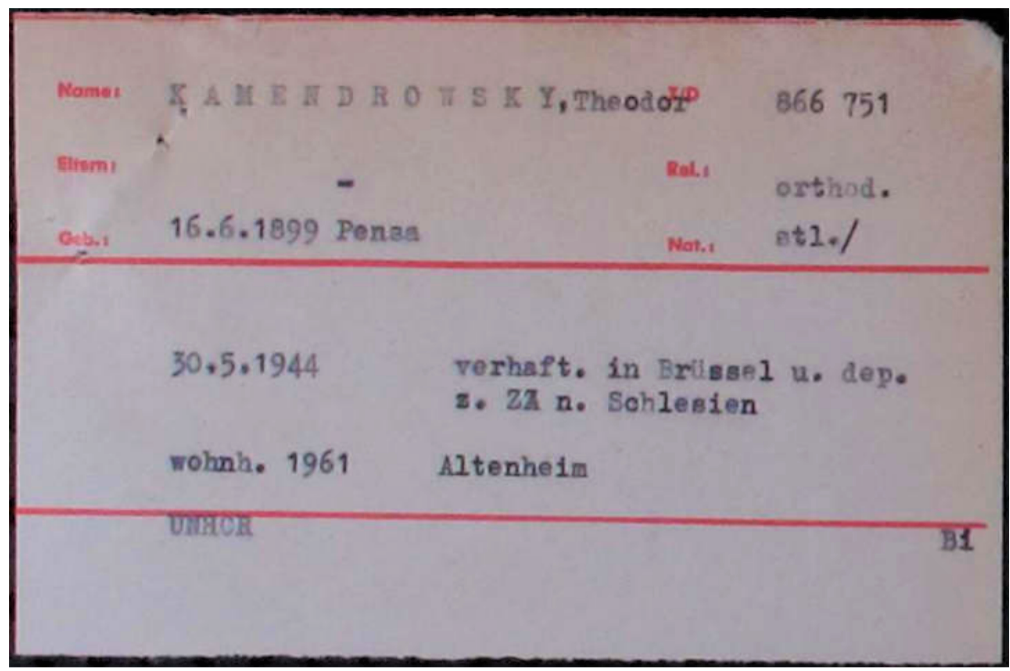
He then went to Brussels where he lived from 1937 until May 30th 1944 when he was picked up by the Gestapo. (Brussels would be liberated only a couple of months later – on September 4th 1944.)
The Nazi Labour Camp
In other papers, I discovered that Feodor worked from July 1944 till March 1945 as a forced labourer in the Nazi Labour Camp Langen-Bielau, a subcamp of Groß-Rosen, working for the Factory Siling.
Sportschule (officially German Arbeitslager Langenbielau I, also known as the Reichenbach camp ) – was a German subcamp of the concentration camp KL Groß-Rosen for men, located on the border of Bielawa ( German Langenbielau ) and Dzierżoniów ( German Reichenbach ). The name Sportschule came from the so-called “Sports School” since military training of the Hitler Youth was conducted here, they were trained to work as camp guards. In the years 1938-1942, there was a Luftwaffe flight school here.
Sportschule was originally a labour camp, established in 1941. It still was a labour camp when Feodor was deported here in July. Then on 3 September 1944, it was transformed into a branch of the Groß-Rosen camp.
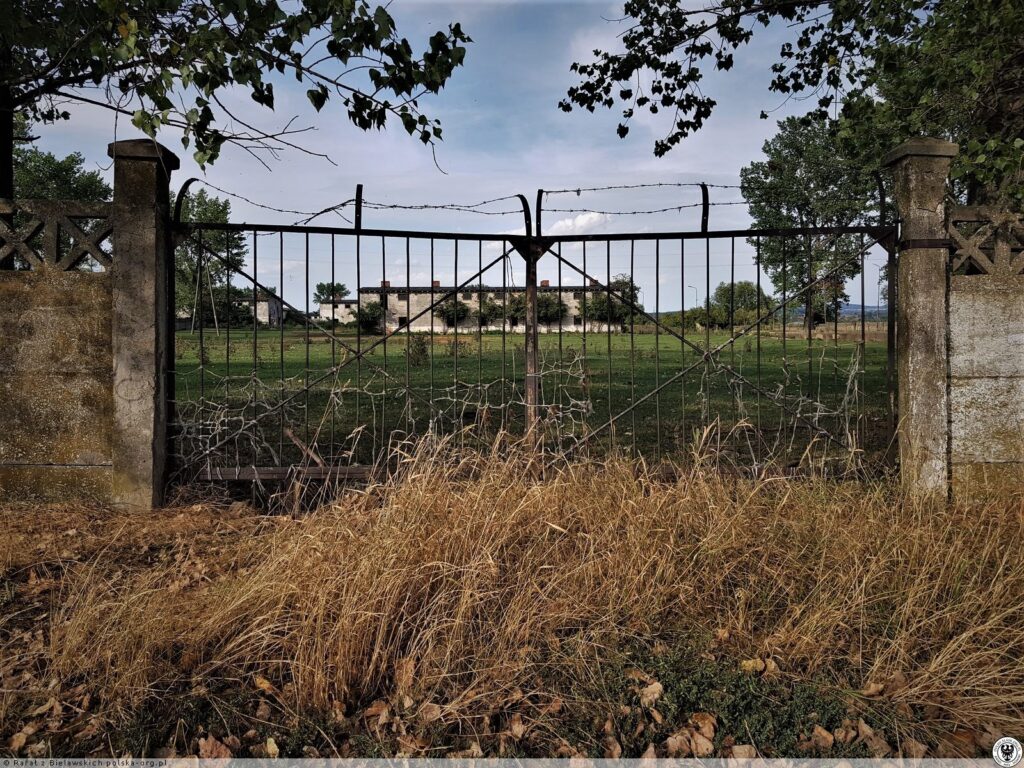
The camp was surrounded by barbed wire, there was also a kitchen, a hospital and barracks for SS men and prisoners. The number of prisoners is disputable: there could have been 2,000 or even 7,000, while the number of victims is unknown. The prisoners were mainly Jews.
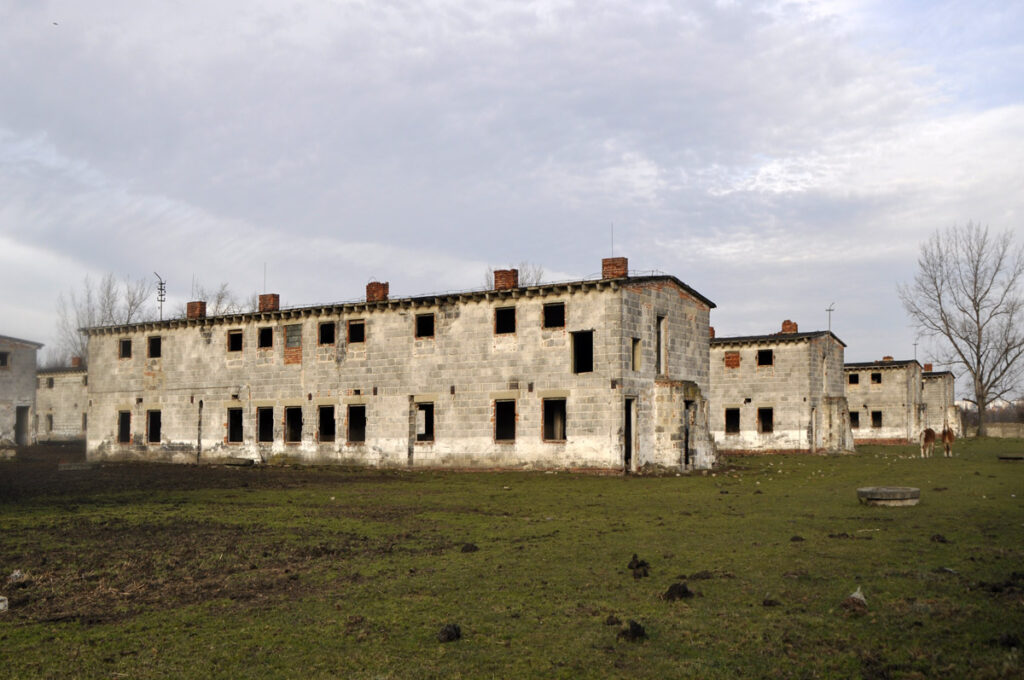
The camp’s tenant was the Christian Dierig AG weaving plant (which during the war took the name of Siling I and produced weapons). Then in 1945, prisoners were also employed in digging trenches.
Schönbach in Rhineland-Palatinate
In February and March 1945, some prisoners were evacuated to camps in the interior of the Reich – Porta Westfalica, Parschnitz, and probably to Dachau. According to Feodor’s papers, he must have been amongst them, he states he was here until March 1945 and then left for Schönbach in Rhineland-Palatinate, Germany. (The prisoners who remained on the spot were liberated on May 8 1945, by Red Army soldiers.)
Susanna Margareta Bruch
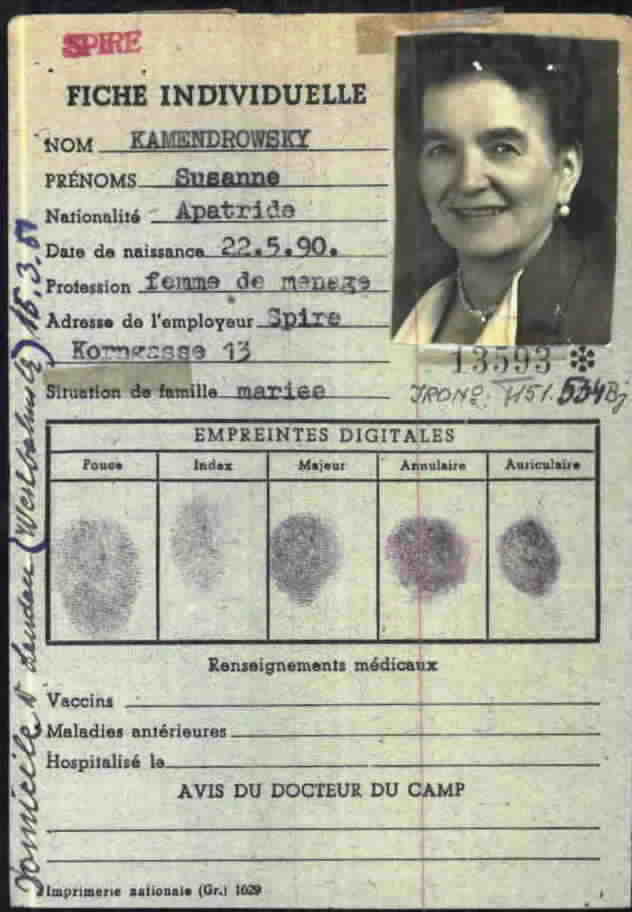
In Schönbach Feodor met Susanna Margareta nee Bruch. She was German, we also find her in a list of ‘zwangsarbeiter’ – forced labourers – in Speyer in 1943. So during the war, they both worked in concentration camps. They married in December 1945.
By marrying a Russian, Susanne became stateless – which meant she gave up all her German rights.
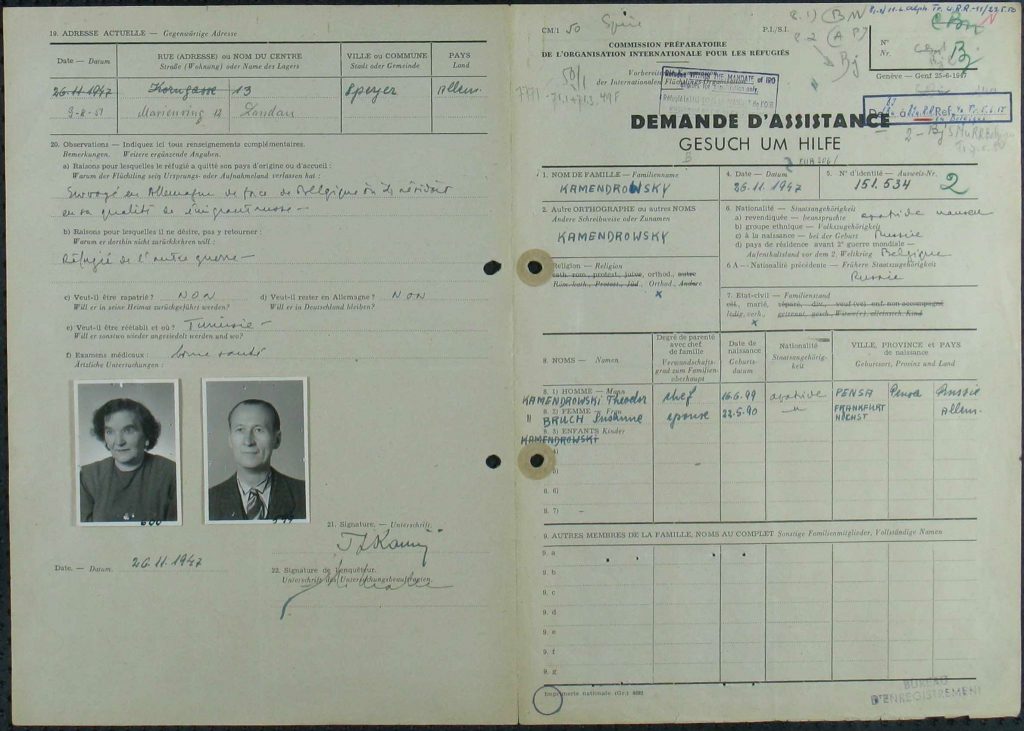
Gesuch um Hilfe
According to the ‘Gesuch um Hilfe’, they lived in Frankfurt from November 1945 until June ’46. Though according to working permit papers, he also worked on the Neuhoffnungshuette factory in Sinn, Germany during this time.
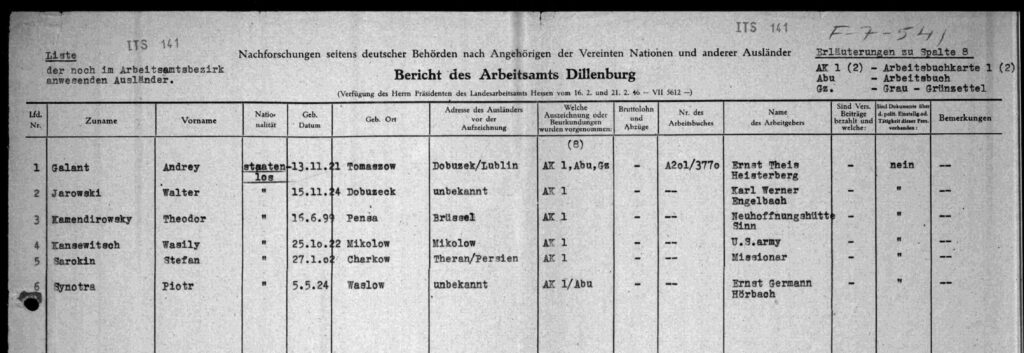
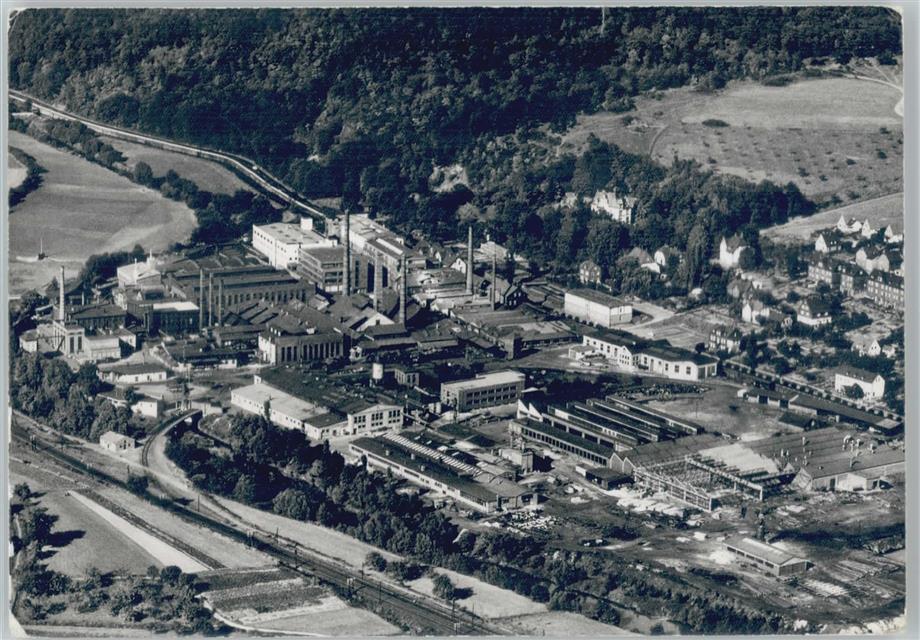
Working in Dillenburg for the Sinn Neuhoffnungshütte oil furnace factory
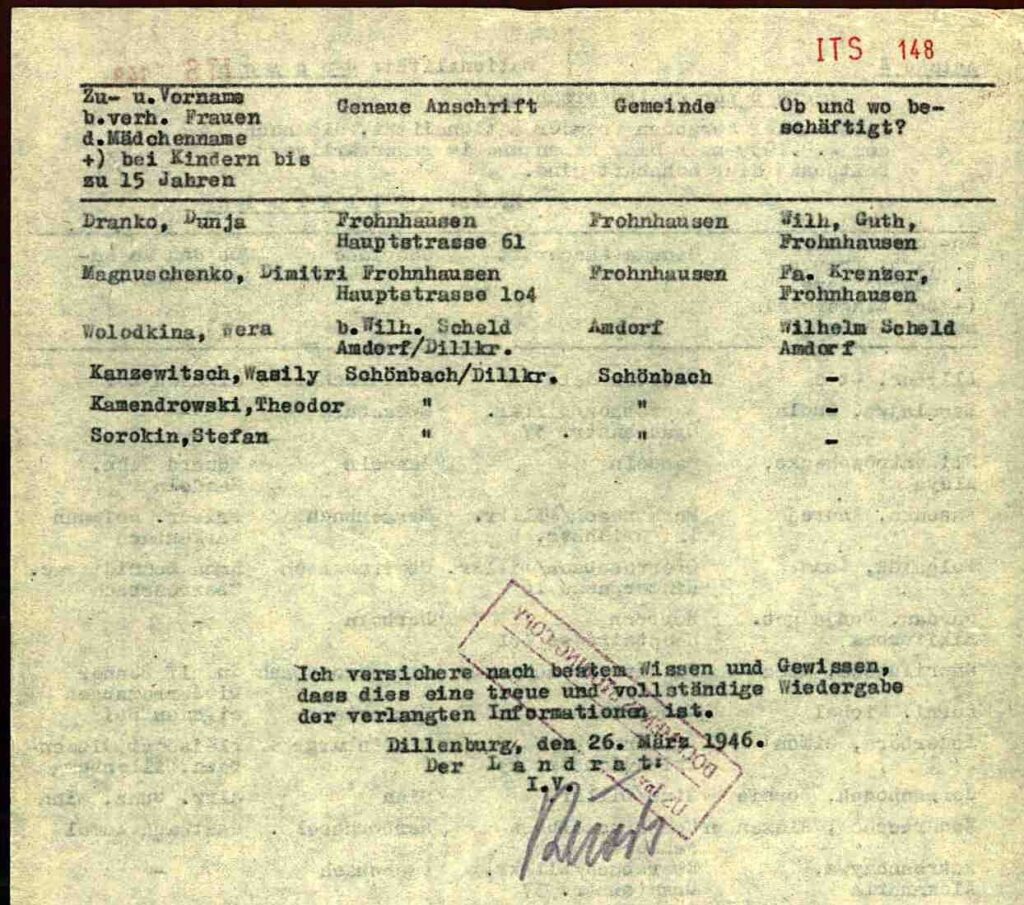 It’s interesting to note that Feodor is twice on papers with the same Russians, Kansewich and Sorokin. It looks like they were working together.
From June 1946 they lived in Speyer, Korngasse 23. Next, they lived in Landau, Germany. And in 1950 they asked for assistance for immigration Tunisia, a colony of France at the time. (In Tunisia, there was a small community of Russian refugees and there are still two Russian Orthodox churches. But in 1960 Tunisia gained independence and most Europeans left.)
Elderly Home Insula
Feodor and Susanne divorced in 1956 in Landau, in 1962 Feodor moved to Dornstadt. After that, he moved to the elderly home “Insula” in Berchtesgaden-Strub. That is where he must have spent the last days of his life.
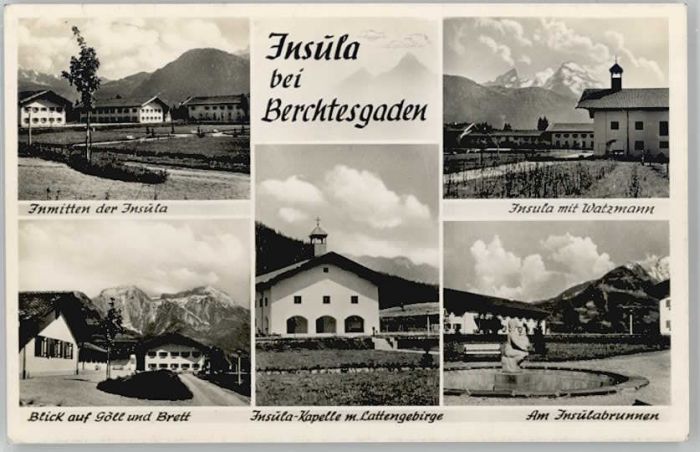
The “Bund Deutscher Mädel” (BDM) had been part of the Hitler Youth (HJ) since 1930. The BDM school in Berchtesgaden was established in 1938. It was only partially completed by the end of the war.
In early May 1945, the 36th US Infantry Division set up a camp for German prisoners of war here. After that the camp served as a reception center for “displaced persons”, like Feodor. Numerous former forced laborers and concentration camp prisoners from Eastern Europe stayed here. On May 6, 1951 the “Evangelical Lutheran Retirement Home” inaugurated in the Strub. Today the Diakonie Insula (retirement home and care center) is located here.
Information about Insula during the War
Death
It was where he spent his last days. He died on February 21st 1966 (something I did not find out until November 4th 2020).
He was buried in the Berchtesgaden mountain cemetery, grave no. Field 23 row 6 No. 5 on February 24, 1966. The grave has been abandoned and there is now a green meadow at this place. May he Rest in Peace.
Special Thanks
With special thanks to my cousin Andrey Lang for helping me find much of the above information, and for his support.
To Kato Hetch for putting me on the track for finding Feodor’s grave, for his support and sharing his broad knowledge and information of Russians refugees.
To my father Nikolai van der Heyde’s good friend and Nazi-horror expert Xavier-Serge Martin for enlightening me about Nazi Labour camps.
And to all the German archives who helped me track Feodor step by step as he moved through Germany. I am amazed by the friendly help and efficiency of the German archives! A special thanks to Ms Sandra Berns, City Archive Herborn, Germany, Ms Alexandra Fischer, Archiv und Museum, Landau in der Pfalz and Mr Lothar Figge of the Arolsen Archives..